


Iraq is reportedly considering the acquisition of several Russian-made MiG-29 jets, the Russian publication Avia.Pro reported on Thursday.
Citing “Iraqi sources”, the Russian publication said the Iraqi Defense Ministry is engaged in ongoing discussions with Moscow about purchasing the MiG-29 in order to replace their aging U.S.-made F-16 fighters.
“Iraqi sources reported that the Iraqi Defense Ministry is engaged in discussions about purchasing Russian combat aircraft that will replace the non-repairable American F-16 fighters. The most profitable option, not inferior in power to American combat vehicles, is the MiG-29 fighter,” they said.
According to Avia.Pro, the Iraqi Air Force currently has 34 F-16 fighter jets, with more than half of them out of commission.
“To date, the possible acquisition of Russian MiG-29 fighters is only being considered by the Iraqi military department, however, experts believe that the sale of the same F-16s to other countries, and the purchase of Russian fighters with these funds, may even turn out to be beneficial for Baghdad,” Avia.Pro said.
There have been rumors surfacing for months that Iraq is considering the purchase of Russia’s S-300 or S-400 systems; however, to date, Baghdad has yet to acquire these air defense weapons.
Should they attempt to acquire MiG-29 jets, they may also face the same threat of sanctions from the U.S. over the purchase of these Russian-made aircraft.
Trending
- Israel’s Greatest Fear Revisited: An America Less Committed
- Israel may partially withdraw from Lebanon: interview with Mohammed Shamsedeen
- SCO at 25-The Rise of Shanghai Spirit
- The end of Netanyahu’s War? U.S.–Iran ceasefire talks reshape the Middle East
- Palestinian unity necessary to achieve liberation from Israeli occupation
- Turkey and Israel: escalating rivalry reshaping the Middle East
- The new Middle East trade corridor emerges after the Strait of Hormuz is closed
- Who is the real enemy in Lebanon?
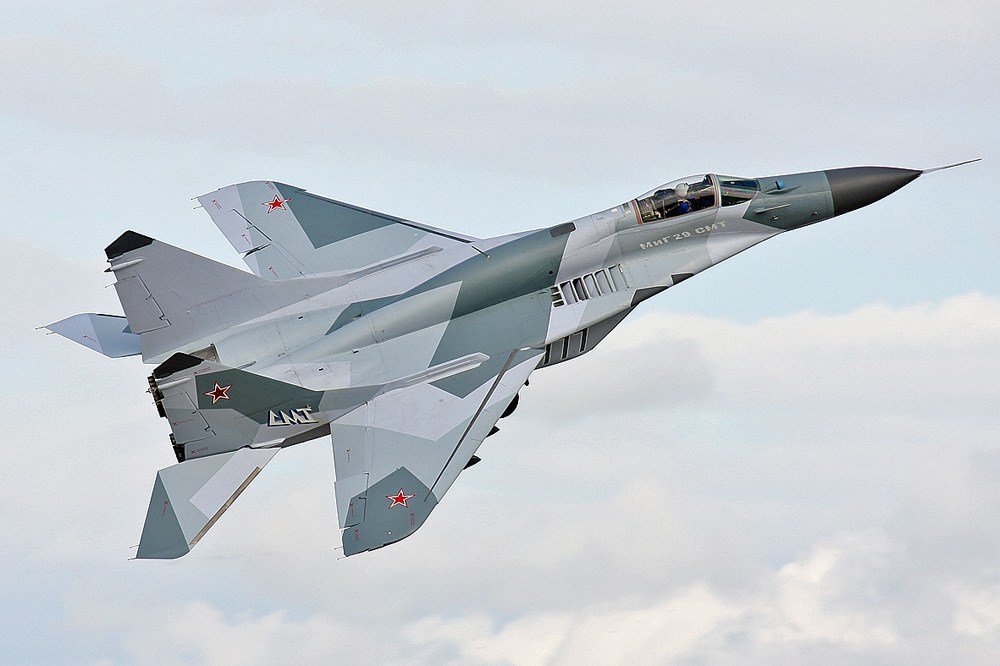
Iraq considers buying large batch of Russian MiG-29 jets to replace F-16s

